
Leukemia is a type of blood cancer that affects blood-forming tissues, particularly the bone marrow. It involves abnormal production and accumulation of blood cells and can interfere with the normal formation of healthy red blood cells, white blood cells, and platelets. Leukemia includes several different types, and each can behave differently.
A Leukemia Specialist evaluates patients when symptoms or laboratory findings suggest the possibility of leukemia. Specialist assessment is important because early symptoms may resemble those of common infections or other less serious health conditions.
Recognizing Possible Symptoms
Leukemia may be associated with persistent tiredness, frequent infections, fever, easy bruising, unusual bleeding, pale skin, or unexplained weight loss. Some individuals may experience bone or joint discomfort, swollen lymph nodes, or a feeling of fullness in the abdomen.
These symptoms alone cannot confirm leukemia. Many other conditions can cause similar complaints. However, persistent or unexplained symptoms should be evaluated by a healthcare professional.
How Is Leukemia Diagnosed?
The diagnostic process commonly begins with a detailed medical history and physical examination, followed by blood investigations. A complete blood count may reveal abnormalities in red blood cells, white blood cells, or platelets.
A Hematologist may recommend a peripheral blood smear and additional specialized tests when leukemia is suspected. In certain circumstances, bone marrow examination may be required to confirm the diagnosis and determine the specific type of leukemia.
Modern diagnostic techniques can provide detailed information about abnormal cells and their characteristics. This information is important for selecting an appropriate treatment strategy.
Why Specialist Care Is Important
Leukemia is not a single disease. Different types can require different treatment approaches. Acute and chronic leukemias, for example, differ in their progression and management. Treatment decisions are therefore based on the exact diagnosis and the patient's overall medical condition.
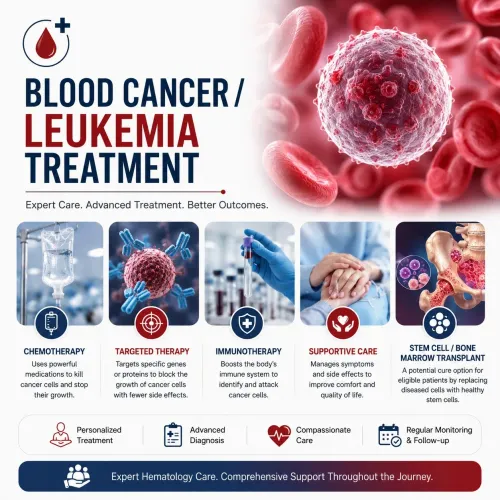
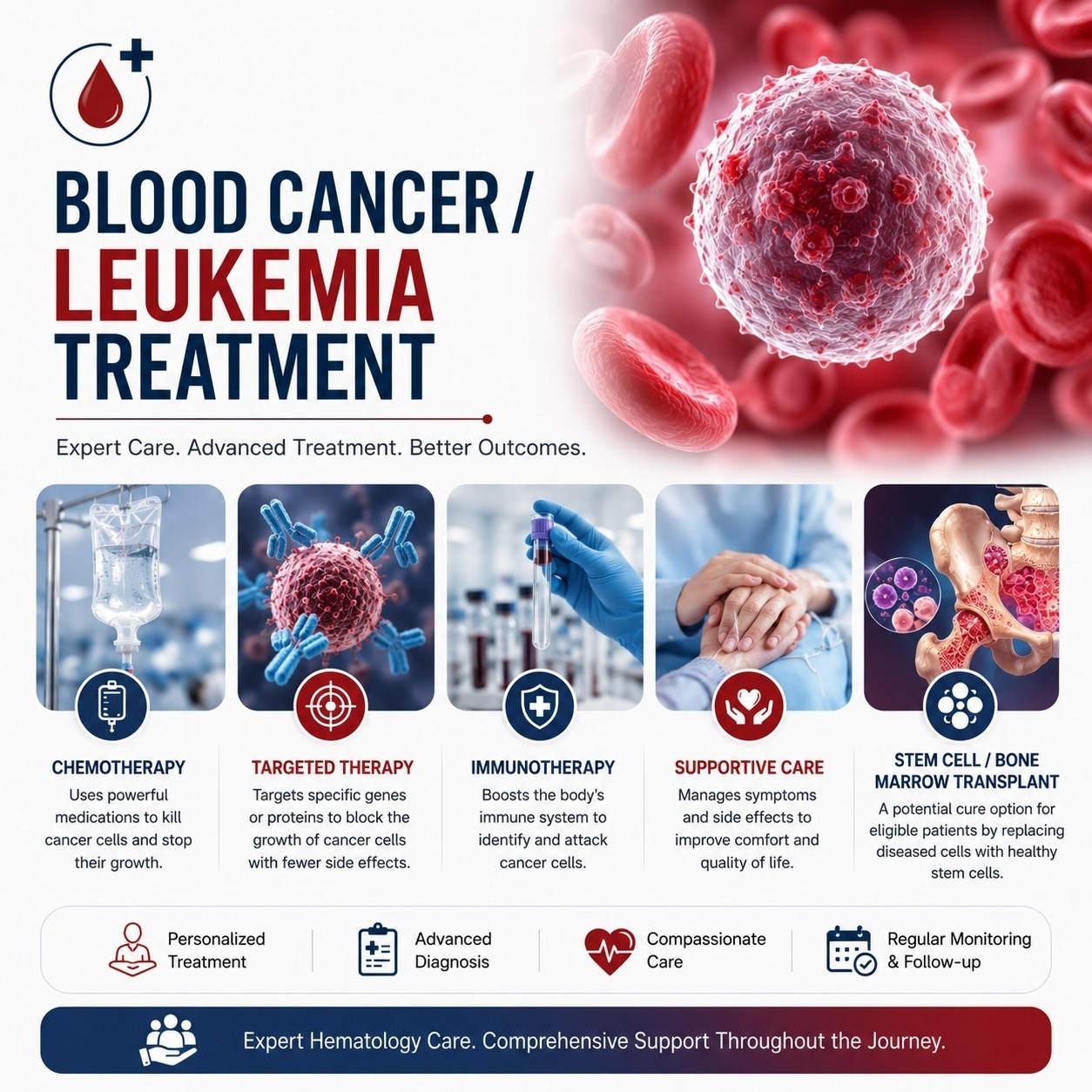
A Leukemia Specialist can help patients understand their diagnosis, recommended investigations, treatment possibilities, and follow-up requirements. Depending on the type of leukemia, treatment may involve chemotherapy, targeted medicines, immunotherapy, or stem cell transplantation.
Comprehensive Patient Management
Patients undergoing leukemia treatment may require regular monitoring of blood counts and other health parameters. Managing infections, anemia, bleeding risks, and treatment-related side effects can also form an important part of supportive care.
Dr Chandrakant Lahane provides specialist consultation for patients requiring evaluation of blood disorders and suspected hematological malignancies. Timely medical evaluation can help establish the diagnosis and guide patients toward appropriate care.
If you notice persistent unexplained symptoms or repeated abnormalities in blood reports, do not ignore them. Consulting a qualified Leukemia Specialist can help determine whether further investigations are needed.