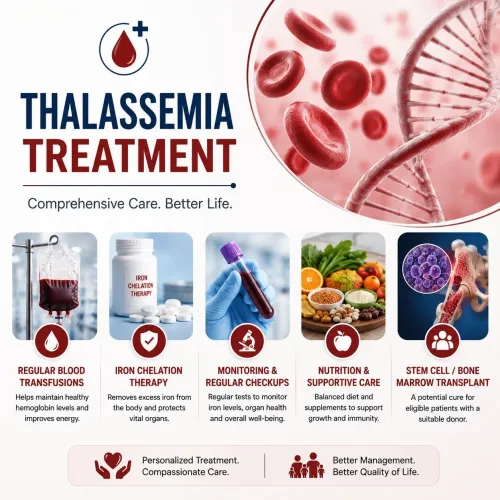

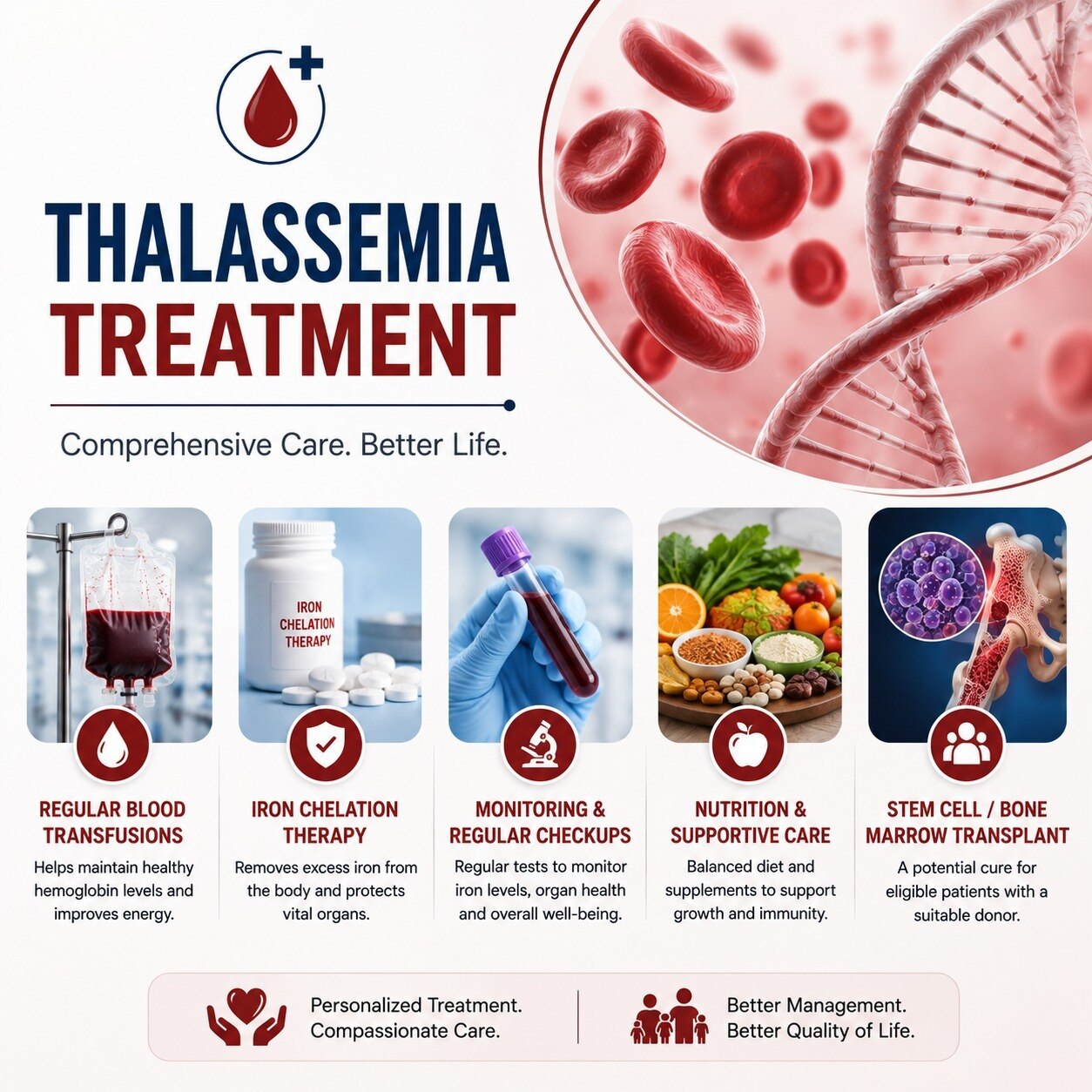
Starting regular care requires more than booking a transfusion appointment: you need the child’s diagnosis, transfusion category, blood-matching history, iron measurements and treatment records in one place. By the end, you will know what to take to the first visit, how to compare pediatric services in Pune, and which questions help you build a safe plan for transfusions, chelation and urgent care.
Key takeaways
- Bring transfusion dates, blood group, antibody reports, and chelation records.
- Choose a team experienced with children, transfusions, blood matching, and iron overload.
- Use the first visit to set transfusion targets, monitoring, and follow-up responsibilities.
- Keep a home record and written emergency instructions from the care team.
Prepare the child’s records before the first specialist visit
Bring a complete file to the pediatric thalassemia consultation in Pune; missing transfusion or antibody records can lead to repeated tests, unsafe blood selection, or a poorly matched starting plan.
- Collect every transfusion date, recorded unit volume, pre-transfusion hemoglobin, blood group, antibody-screen result, and transfusion-reaction report.
- Add complete blood count trends, reticulocyte counts, ferritin results, liver tests, MRI reports, chelation prescriptions, and notes showing missed or delayed doses.
- Include vaccination records, height and weight charts, school or hospital letters, current medication lists, and family history of anemia, transfusions, iron overload, or blood disorders.
- Bring hemoglobin electrophoresis or high-performance liquid chromatography reports, but tell the doctor when the child was last transfused. Recent donor blood can alter these results and obscure the child’s own hemoglobin pattern.
- Ask whether molecular testing is needed. It can clarify the beta-thalassemia genotype, distinguish related disorders, and guide family counselling when routine hemoglobin testing is inconclusive.
Ask the doctor to confirm whether the child has transfusion-dependent thalassemia or non-transfusion-dependent thalassemia. A diagnosis alone does not determine the schedule: the transfusion category, symptoms, hemoglobin pattern, growth, and clinical history do. Request genetic counselling, parental testing, and sibling testing when clinically appropriate; these can clarify carrier status, recurrence risk, and possible donor evaluation.
Keep digital copies, but carry original reports to the first visit.
Choose a pediatric-capable team, not only a doctor’s title
A pediatric-capable team is a better choice than a title alone. Compare whether a thalassemia specialist in Pune for children has coordinated transfusion experience, not just general hematology training.
| Option | What to verify | Why it matters |
|---|---|---|
| General hematologist | Manages blood disorders but may refer transfusion or pediatric needs elsewhere | Coordination gaps can delay matching, chelation checks or urgent advice |
| Pediatric-capable hematology team | Works with the blood bank and children’s services | One pathway links transfusions, growth, iron monitoring and emergencies |
| Child thalassemia doctor in Pune | Follows children regularly and understands school, puberty and family logistics | Treatment plans must change as the child grows |
Ask about extended red-cell antigen typing or genotyping before substantial transfusion exposure, phenotype-matched units, antibody records and delayed-reaction management. Confirm how the team monitors ferritin, liver iron by MRI and cardiac MRI T2*, prescribes chelation, checks doses and interactions, and monitors kidney, liver and blood counts.
Ask these questions before choosing:
- Who coordinates with the blood bank?
- Who reviews reports between visits?
- What number handles fever or a suspected transfusion reaction after hours?
- Can you continue follow-up if transfusions occur at another hospital?
- How often are appointments, and what is the usual waiting time?
- Is language support available?
- Can you provide travel letters and school documentation?
- What are the costs and referral pathways?
The provider should explain access to pediatric MRI, cardiology, endocrinology, hepatology, genetic counselling, psychology, nutrition, vaccination planning and transplant evaluation. Dr Chandrakant Lahane is one hematology consultation option to assess against these requirements, rather than choosing by name or title alone.
Related service
Thalassemia Treatment Dr. Chandrakant Lahane provides specialized care for thalassemia, an inherited blood disorder that affects the body's ability to produce healthy... View service → |
Know what the first consultation and transfusion plan should establish
The first pediatric thalassemia consultation in Pune should establish whether the child has transfusion-dependent thalassemia (TDT) or non-transfusion-dependent thalassemia (NTDT), then set a safe, individualized plan. The doctor will review symptoms, prior infections, transfusion reactions, transfusion dates and intervals, chelation exposure, and the child’s complete treatment history.
The examination includes the abdomen for spleen enlargement, growth, weight, puberty and a general physical assessment. Likely baseline investigations include:
- Complete blood count and reticulocyte count
- Serum ferritin and liver assessment, including liver enzymes
- Additional tests selected from the child’s records, symptoms and previous results
TDT often involves planned red-cell transfusions every 2–5 weeks. NTDT may need blood only during illness, surgery or another physical stress. A commonly used pre-transfusion haemoglobin range is about 9–10.5 g/dL, but the doctor sets the target, volume and interval using age, weight, symptoms, spleen size, growth and the child’s own haemoglobin pattern.
Increasing the volume without review can increase iron loading.
Keep a transfusion passport with dates, units or volumes, pre-transfusion haemoglobin, blood group, antibody history, reaction reports and blood-bank records. Plan appointments around school, holidays and travel, but never delay a scheduled transfusion; arrange care at another hospital in advance when needed.
Treat iron overload as part of the starting plan
Each transfusion adds iron, and the body has no effective natural route for removing it. Plan chelation with transfusions, not after symptoms appear. Chelation is often considered after about 10–20 transfusions or ferritin near 1,000 micrograms/L, but age, transfusion history, liver iron and clinical circumstances change that decision.
Ferritin trends help, yet infection and inflammation can raise ferritin, so one result cannot measure total iron burden. Liver iron concentration by MRI and cardiac MRI T2* reveal risks ferritin can miss; repeat scans according to previous findings and risk, not a fixed schedule.
| Option | Administration and schedule | Monitoring, burden and adverse effects |
|---|---|---|
| Deferasirox | Oral, usually once daily | Kidney, liver and gastrointestinal monitoring; adherence is easier than infusions, but nausea, diarrhoea, rash and renal or hepatic problems need attention |
| Deferoxamine | Subcutaneous or intravenous infusion, often overnight on several nights weekly | Infusion-site burden and adherence are major challenges; monitor growth, hearing, vision, kidney and liver effects |
| Deferiprone | Oral, usually two or three doses daily | Regular blood counts are essential because neutropenia or agranulocytosis can occur; nausea, joint pain and liver monitoring add burden |
Do not stop or switch treatment after one improved ferritin result. Ongoing thalassemia treatment for children in Pune should also track growth, puberty, thyroid, glucose, calcium, vitamin D, liver, bone and psychosocial health.
Build a home record and an emergency plan with the care team
Keep one home record for each transfusion-dependent child. For thalassemia treatment for children in Pune, a child thalassemia doctor in Pune can use this record to adjust care without relying on memory.
- Transfusion dates and pre-transfusion haemoglobin
- Chelation doses, missed doses and new medicines
- Fever, infection symptoms and prompt fever assessments
- Abdominal discomfort, fatigue and school attendance
- Weight, height and pubertal changes
Ask the treating team for child-specific instructions covering fever, vomiting, a suspected transfusion reaction, dark urine, worsening pallor and reduced urine output. Keep the clinic number, medication list, blood group and latest transfusion record beside your phone and take them to urgent care.
Severe breathing difficulty, fainting, chest pain, persistent high fever, marked lethargy or rapidly worsening illness require immediate emergency care through the child’s established hospital pathway, not a routine appointment. Maintain routine vaccines, arrange dental care and report fever promptly.
Transplant is a separate evaluation for selected children with transfusion-dependent beta-thalassemia. The decision depends on donor compatibility, iron burden, organ status and transplant-centre risk; it is not an automatic next step after diagnosis.
Shared care often includes a pediatrician, blood bank, endocrinologist, cardiologist or another service. Online information cannot determine your child’s diagnosis, chelation plan or transplant eligibility.
Frequently asked questions
What records should I bring to a child thalassemia consultation in Pune?
Bring transfusion dates and volumes, blood-group records, antibody-screen results, laboratory reports, imaging, genetic reports, medicines, chelation history, and previous complications.
How do I choose a pediatric thalassemia doctor in Pune?
Ask whether the team regularly manages children with thalassemia, coordinates transfusions and blood-bank testing, monitors iron overload, and provides a clear emergency contact plan.
What should the first pediatric thalassemia consultation establish?
The consultation should clarify the diagnosis, transfusion schedule and targets, required blood-bank tests, baseline investigations, follow-up timing, and who will coordinate ongoing care.
Why must iron overload be addressed when thalassemia treatment for children begins?
Regular transfusions can cause iron accumulation, so the starting plan should identify iron-monitoring tests, organ assessments, chelation options, dosing instructions, and follow-up.
What should a home thalassemia record and emergency plan contain?
Record transfusions, reactions, medicines, chelation doses, test results, and contacts. Ask the team when to seek urgent care and which documents to carry.