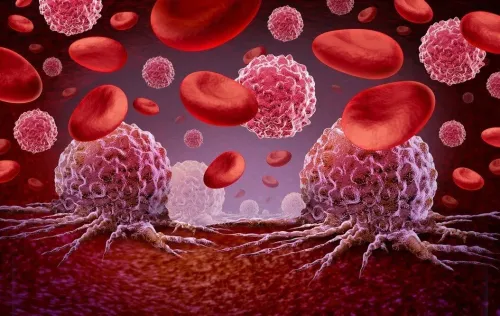


An abnormal blood count can result from a nutritional deficiency, medication, infection, inherited condition, clotting problem, or disease of the bone marrow. By the end, you will know which problems a specialist evaluates, when an abnormal CBC needs expert review, what testing involves, and when symptoms require urgent care.
Key takeaways
- Specialists evaluate red cells, white cells, platelets, clotting, lymph nodes, and bone marrow.
- Request review for persistent CBC abnormalities, unexplained bleeding, bruising, infections, or fatigue.
- Expect a medical history, examination, CBC review, and targeted tests to identify the cause.
- Complex cases may require medicines, transfusion support, or bone marrow transplant evaluation.
The blood problems a specialist evaluates beyond common anemia
A hematologist evaluates far more than iron-deficiency anemia. Searches such as “what can a blood disorder for specialist treat in pune” often lead to questions about abnormal CBC results, unexplained bruising, recurrent infections, or persistent fatigue. The cause may involve red cells, white cells, platelets, clotting proteins, lymph nodes, or bone marrow.
| Condition | What it involves | Examples of specialist evaluation |
|---|---|---|
| Low or abnormal red cells | Anemia not explained by diet alone | Vitamin B12 or folate deficiency, hemolysis, kidney disease, inherited hemoglobin disorders, marrow disease |
| White-cell disorders | Too few or too many infection-fighting cells | Neutropenia, leukopenia, leukocytosis, persistent infections, abnormal cells on a blood smear |
| Platelet and clotting problems | Bleeding, bruising, or excessive clot formation | Thrombocytopenia, immune thrombocytopenia, von Willebrand disease, hemophilia, thrombosis |
| Bone-marrow disorders | Faulty production of blood cells | Myelodysplastic syndromes and myeloproliferative neoplasms |
| Blood cancers | Abnormal growth of blood or immune cells | Leukemia, lymphoma, plasma-cell disorders such as myeloma |
A specialist also assesses polycythemia, enlarged spleen, recurrent clots, and selected inherited conditions. Blood disorder specialist services in Pune may include transfusion planning, but a transfusion does not identify or cure the underlying problem; repeated red-cell transfusions can cause reactions, alloimmunization, and iron overload.
When an abnormal CBC warrants specialist review
A single abnormal CBC does not confirm a blood disorder, but a persistent, worsening, or unexplained result warrants specialist review. Ask your doctor to repeat the CBC and examine a peripheral blood smear before assuming the cause.
- Low hemoglobin: Arrange review if anemia persists, returns, causes breathlessness or fatigue, or has no clear explanation. Do not start iron automatically; the cause could be iron, vitamin B12 or folate deficiency, kidney disease, blood loss, hemolysis, an inherited disorder, or bone-marrow disease.
- Low platelets: Seek assessment for unexplained bruising, prolonged bleeding, recurrent nosebleeds, or a falling platelet count. A blood disorder doctor in Pune will consider medicines, immune thrombocytopenia, liver or spleen disease, and marrow disorders rather than treating the number alone.
- High or low white cells: Arrange review when the count remains abnormal, infections recur, fevers or night sweats develop, or the smear is unusual. Neutropenia requires prompt advice, especially with fever.
Go to emergency care for uncontrolled bleeding, black stools, chest pain, severe breathlessness, fainting, sudden weakness, confusion, or fever during severe neutropenia. Do not wait for a routine appointment; transfusion or other urgent treatment may be needed while testing finds the cause.
What happens during a hematology consultation
Bring your referral, recent CBC reports, peripheral blood smear results, imaging reports, and a complete medication list to a hematology consultation in Pune. Include the dose of iron, vitamin B12, folate, aspirin, or anticoagulants you take, plus the dates of transfusions, bleeding, clots, fevers, weight loss, or night sweats.
Prepare these details before the appointment:
- When symptoms began and whether they are worsening
- Previous illnesses, operations, pregnancies, and transfusions
- Family history of anemia, bleeding, clotting, enlarged spleen, or blood cancer
- Any medicines, supplements, or recent infections
- Questions about repeat tests, treatment, fertility, work, or physical activity
The specialist checks for pallor, bruising, enlarged lymph nodes, abdominal enlargement from the spleen or liver, and signs of bleeding or clotting. They review the CBC and smear, then decide whether you need a repeat blood count, reticulocyte count, biochemical testing, flow cytometry, molecular testing, or bone-marrow examination. A bone-marrow biopsy is not automatic.
Bring someone with you if the discussion may involve cancer or transplant evaluation. Chest pain, severe breathlessness, sudden weakness, confusion, uncontrolled bleeding, black stools, or fever during severe neutropenia requires emergency care, not a routine appointment.
How testing identifies the cause instead of guessing
A repeat complete blood count (CBC) shows whether an abnormal result persists after infection, dehydration, medication changes, or another short-term trigger has settled. The pattern matters more than one number.
| Test | What it helps distinguish | What a concerning result may prompt |
|---|---|---|
| Repeat CBC with differential | Temporary change from sustained anemia, platelet, or white-cell abnormality | Further review if the same pattern remains |
| Reticulocyte count and iron, B12, folate, kidney, and liver tests | Reduced production, deficiency, kidney disease, or recovery after blood loss | Cause-specific treatment rather than automatic iron |
| Peripheral blood smear | Cell-shape changes, immature cells, parasites, or platelet clumping | Specialist testing for marrow or blood-cell disorders |
| Flow cytometry or molecular tests | Abnormal immune-cell populations or gene changes | Evaluation for leukemia, lymphoma, or myeloproliferative neoplasm |
| Bone-marrow examination | Marrow failure, myelodysplastic syndrome, or cancer involvement | Consideration when blood results remain unexplained or serious |
A bone-marrow biopsy is not required for every anemia or abnormal CBC. Specialist blood disorder care in pune uses the CBC trend, symptoms, examination, smear, and targeted tests to decide whether observation, repeat testing, or urgent investigation is appropriate.
Persistent abnormalities, recurrent bleeding or clots, enlarged nodes or spleen, night sweats, or unexplained fevers deserve specialist review.
Who coordinates care when the problem is complex
A general physician is usually the first contact for symptoms or an abnormal CBC. An internist manages complex adult medical problems and coordinates other specialties. A hematologist focuses on blood, bone-marrow, clotting, and bleeding disorders, while a hemato-oncologist also diagnoses and treats blood cancers.
| Role | Main responsibility | When it applies |
|---|---|---|
| General physician | Initial assessment, basic tests, and referral | Fatigue, bruising, fever, or a first abnormal CBC |
| Internist | Broad adult-medicine coordination and management of related illnesses | Blood abnormalities alongside kidney, liver, autoimmune, or heart disease |
| Hematologist | Non-cancerous blood and marrow conditions | Anemia, low platelets, clotting, bleeding, neutropenia, or persistent count changes |
| Hemato-oncologist | Hematology plus leukemia, lymphoma, myeloma, and other marrow cancers | Abnormal smear, enlarged lymph nodes, suspected or confirmed blood cancer |
| Transplant team | Eligibility, donor matching, conditioning, transplant, and follow-up | Bone-marrow or stem-cell transplant evaluation and treatment |
The specialist may remain your main coordinator while consulting an internist, surgeon, infectious-disease physician, or radiation specialist. Transplant care adds a team because donor selection, infection prevention, organ assessment, and post-transplant monitoring require separate decisions.
When comparing blood disorder specialist services in Pune, ask who reviews the full record and coordinates referrals. A blood disorder doctor in Pune should also explain which clinician owns the next decision, rather than sending you between appointments.
When treatment involves medicines, transfusion, or transplant evaluation
A clot does not automatically mean lifelong blood thinners. A hematologist weighs the clot’s location, cause, recurrence risk, kidney function, other medicines, and bleeding risk before choosing an anticoagulant and treatment duration. Sudden chest pain, severe breathlessness, or one-sided weakness needs emergency care, not a routine appointment.
Treatment choices are matched to the disorder and its consequences:
- Blood cancers: subtype, stage, genetic findings, blood counts, and fitness guide chemotherapy, targeted treatment, immunotherapy, or observation.
- Sickle-cell disease and thalassemia: confirm the haemoglobin disorder before giving iron; plan transfusions, monitor iron overload, and offer genetic counselling.
- Bleeding or low platelets: identify the missing clotting factor, immune process, medicine effect, or marrow problem before using factor replacement or other treatment.
- Repeated transfusions: assess the cause, symptoms, haemoglobin trend, blood-group compatibility, reactions, and iron accumulation rather than treating a number alone.
- Possible transplantation: assess disease control, organ fitness, infection risk, donor matching, and conditioning tolerance. Autologous transplant uses your own cells; allogeneic transplant uses donor cells and carries graft-versus-host disease risk.
For specialist blood disorder care in Pune, bring prior CBC reports, smear results, transfusion records, medicines, and family history. During hematology consultation in Pune, Dr Chandrakant Lahane can help determine whether treatment, monitoring, or transplant referral is the safer next step.
Related services
General Blood Disorder Care Dr. Chandrakant Lahane provides comprehensive care for a wide range of blood and hematological disorders, from common blood-count abnormalities to... View service → |
Hematologist in Pune Dr. Chandrakant Lahane is an experienced Consultant Hematologist with over 15 years of experience in diagnosing and managing a wide range of blood... View service → |
Frequently asked questions
What blood problems does a hematologist treat beyond anemia?
A hematologist evaluates disorders involving red cells, white cells, platelets, clotting proteins, lymph nodes, and bone marrow. These include unexplained low or high blood counts, bleeding or clotting problems, blood cancers, and conditions requiring transplant evaluation.
When should an abnormal CBC be reviewed by a specialist?
Arrange specialist review when a low or high blood count persists, multiple blood cell types are abnormal, or results occur with unexplained bruising, bleeding, recurrent infections, swollen lymph nodes, fever, weight loss, or persistent fatigue.
What happens during a hematology consultation in Pune?
The consultation includes your symptoms and medical history, medication review, examination, and assessment of previous CBC and other test results. The specialist then recommends targeted testing rather than treating the report alone.
How does a hematologist identify the cause of a blood disorder?
Testing can include a repeat CBC with differential, peripheral blood smear, reticulocyte count, iron, vitamin B12 and folate tests, kidney or liver tests, clotting studies, infection tests, imaging, or bone marrow examination when indicated.
Related services
Bleeding Disorders Dr. Chandrakant Lahane provides specialized diagnosis and management of bleeding disorders that can affect the body's ability to form blood clots... View service → |
Blood Cancer / Leukemia Treatment Blood Cancer / Leukemia Treatment Dr. Chandrakant Lahane provides specialized diagnosis and treatment for blood cancers, including leukemia, with an individualized approach based on... View service → |
Thalassemia Treatment Dr. Chandrakant Lahane provides specialized care for thalassemia, an inherited blood disorder that affects the body's ability to produce healthy... View service → |
Bone Marrow Transplant Dr. Chandrakant Lahane provides specialized consultation and comprehensive care for patients who may require a bone marrow or stem cell transplant... View service → |