

Older age does not by itself rule out a bone marrow transplant, but it changes how doctors measure potential benefit and risk. By the end, you will know which health factors matter, what testing a proper assessment includes, when non-transplant treatment may be safer, and what to ask during a specialist consultation.
Key takeaways
- Age alone does not determine transplant eligibility.
- Request assessment if disease control and overall fitness support potential benefit.
- Compare autologous, allogeneic and reduced-intensity transplant approaches.
- Ask about frailty, organ testing, alternatives, complications and recovery time.
Why age alone cannot decide transplant eligibility
Chronological age alone cannot decide whether an older adult is fit for transplantation. Doctors assess the likely benefit against the person’s ability to tolerate conditioning, hospitalization and recovery.
A transplant evaluation usually reviews:
- Disease genetics, relapse risk, measurable residual disease and remission status
- Heart, lung, kidney and liver function, including echocardiography, lung tests and blood chemistry
- Frailty, walking speed, strength, falls, daily independence and mobility
- Memory, decision-making ability and any dementia
- Weight loss, muscle loss, appetite and nutritional status
- Existing infections, other illnesses and current medicines
- Caregiver availability, transport, finances and home support
A fit person in their 60s or 70s may be considered for an allogeneic transplant using reduced-intensity or non-myeloablative conditioning. These approaches reduce treatment intensity; they do not remove graft-versus-host disease, infection, organ complications or relapse.
The proposed transplant also matters. Autologous transplantation returns your own stem cells after high-dose treatment, while allogeneic transplantation uses donor cells and adds donor matching, immunosuppression and graft-versus-host disease risks. Kidney or heart function, treatment response and disease type influence both choices.
A bone marrow transplant specialist for older adults in Pune should explain the expected survival benefit, non-transplant alternatives and recovery demands in specific terms. “Fit” does not automatically mean transplant is best, and “older” does not automatically mean it is unsafe.
Which older adults should request a transplant assessment?
Request an assessment if you have a blood disorder for which transplant is a recognised treatment, especially after relapse, treatment resistance, or an unexpectedly high-risk result. A consultation is worthwhile even when transplant is uncertain: it can identify whether an own-cell or donor-cell procedure offers more benefit than continued drug treatment.
| Diagnosis or situation | Why assessment matters | Questions to resolve |
|---|---|---|
| Acute leukemia | Transplant may reduce relapse risk after remission in selected high-risk cases. | Is remission adequate, and is donor-cell transplant appropriate? |
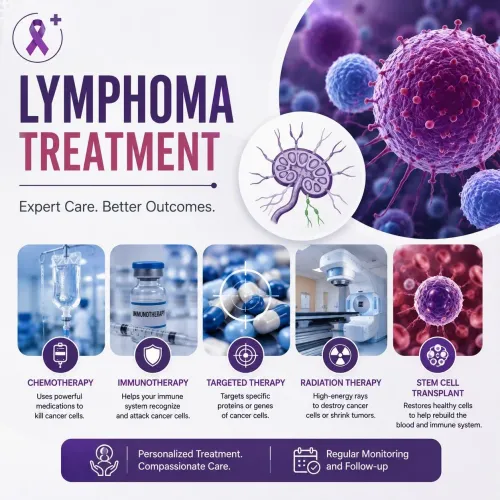
| Lymphoma | Relapsed or treatment-resistant disease may lead to an autologous transplant discussion. | Would further chemotherapy, cellular therapy, or transplant offer the best sequence? |
| Multiple myeloma | An autologous transplant may be considered after initial treatment or at relapse. | Are kidney function, disease response, and treatment tolerance sufficient? |
| Myelodysplastic syndromes | Donor-cell transplant can be the only potentially curative option for selected higher-risk disease. | How do mutation results, blasts, transfusion needs, and donor availability affect benefit? |
| Aplastic anemia | Severe or transfusion-dependent disease may require donor-cell transplant or intensive non-transplant treatment. | Is there a suitable donor, and can infection and organ risks be controlled? |
Seek review promptly if severe anemia, falling platelets, repeated transfusions, or a new diagnosis suggests rapid progression. A bone marrow transplant specialist in Pune should assess the disease and the treatment setting, not just provide a transplant label.
For bone marrow transplant older adults, assessment is also sensible when frailty, falls, memory problems, weight loss, severe heart or lung disease, kidney or liver failure, uncontrolled infection, or limited caregiving could change the recommendation. Ask for a clear comparison of transplant, non-transplant treatment, expected recovery, and support needs.
Autologous, allogeneic and reduced-intensity transplants are different choices
For older adults considering a bone marrow transplant, the first question is which graft and conditioning plan fits the disease. Autologous transplantation returns your own blood-forming stem cells after high-dose chemotherapy. Allogeneic transplantation uses cells from a donor and adds donor matching, graft-versus-host disease and immunosuppression to the decision.
| Option | What it means | Main trade-off |
|---|---|---|
| Autologous | Your stem cells are collected, stored and returned after high-dose treatment | No graft-versus-host disease, but high-dose therapy can strain the heart, kidneys, lungs and other organs |
| Allogeneic | Stem cells come from a matched or partly matched donor | A donor immune effect can attack leukaemia or tumour cells, but donor search, infection and graft-versus-host disease add risk |
| Reduced-intensity allogeneic | Lower-dose or non-myeloablative conditioning prepares you for donor cells | May suit selected people in their 60s or 70s, but does not remove graft-versus-host disease, infection or relapse |
Reduced-intensity conditioning is an approach used with an allogeneic graft, not a third graft type. It lowers treatment intensity, while the donor immune system still provides much of the anti-cancer effect.
An autologous transplant is often considered for selected older adults with myeloma or lymphoma; an allogeneic transplant is used for diseases such as acute leukaemia or myelodysplastic syndromes when its potential benefit justifies the risks.
Ask which cells will be collected, the treatment goal, expected hospital stay, caregiver needs and the reason this plan is safer or more effective than non-transplant treatment.
The tests, alternatives and risks that should shape the decision
Doctors should compare expected survival, disease control, treatment burden and quality of life with and without transplantation—not age alone. A stem cell transplant consultation should review remission status, relapse risk, organ function, frailty, cognition, nutrition, mobility, independence, medications, falls and caregiver support. For adults aged 65 or older, a geriatric assessment can reveal reversible risks.
Ask the team to document:
- Donor options, HLA-typing strategy, conditioning intensity, estimated hospital stay and recovery time.
- Likely transfusion, infection-prevention and hospital-readmission needs, plus risks of graft-versus-host disease, organ injury, relapse and treatment-related death.
- Alternatives such as chemotherapy, targeted therapy, immunotherapy, maintenance treatment or supportive care, including their expected benefit and side effects.
- Fertility and sexual-health effects, caregiver availability, travel, accommodation and financial requirements.
| Option | What it may offer | What to compare |
|---|---|---|
| Allogeneic transplant | Donor cells can provide a graft-versus-cancer effect for selected leukemias, myelodysplastic syndromes and other disorders. | HLA match, graft-versus-host disease, infection, relapse, conditioning intensity and prolonged recovery. |
| Autologous transplant | Your own cells avoid donor-versus-host complications and are used in selected myeloma and lymphoma cases. | Response to prior treatment, kidney and heart function, high-dose chemotherapy tolerance, infection and relapse risk. |
| Non-transplant treatment | Drug therapy, maintenance or supportive care may control disease with less hospitalization. | Lower immediate treatment burden versus potentially less durable disease control; compare goals, side effects and quality of life. |
How to choose a specialist and prepare for the consultation
A clinic label or search result does not prove transplant capability. If you are comparing a bone marrow transplant specialist in Pune with a transplant doctor near Yerawada, verify the hospital’s active hematopoietic stem-cell transplant programme, not just the doctor’s title.
| What to verify | Evidence to request | Why it matters |
|---|---|---|
| Procedure offered | Autologous or allogeneic transplant, named for your disease | The risks, donor process and treatment goal differ |
| Programme support | Transplant infectious-disease care, intensive care, transfusion services, HLA typing and donor search | Complications often require several specialist teams |
| Follow-up | Written plan for engraftment checks, infection prevention, graft-versus-host disease monitoring and long-term review | Care continues after discharge |
| Experience and results | Transplant-specific outcomes for comparable diseases and patient ages | General cancer results do not answer this question |
During your stem cell transplant consultation, take your pathology reports, bone-marrow biopsy, genetic and measurable-residual-disease results, imaging, medication list and discharge summaries. Ask:
- What is the treatment goal, and what non-transplant options remain?
- Which graft source and donor strategy are planned?
- What conditioning intensity fits my organs, frailty, mobility and independence?
- How long could hospitalisation and recovery take?
- What caregiver, travel, infection-control and financial arrangements are required?
- Will fertility or sexual-health counselling be relevant?
If you meet Dr Chandrakant Lahane, use the appointment to clarify whether transplantation is being considered, what programme would deliver it, and which records the transplant team still needs. A referral should connect you to the full programme, not stop at a consultation.
Related service
Bone Marrow Transplant Dr. Chandrakant Lahane provides specialized consultation and comprehensive care for patients who may require a bone marrow or stem cell transplant... View service → |
Frequently asked questions
Does age alone rule out a bone marrow transplant?
No. Doctors assess fitness, organ function, frailty, disease status and expected benefit alongside chronological age.
Which older adults should request a transplant assessment?
Adults with a transplant-responsive blood disorder and enough physical reserve to tolerate conditioning, hospitalization and recovery should request an assessment.
How do autologous, allogeneic and reduced-intensity transplants differ?
Autologous transplants use your own stem cells; allogeneic transplants use donor cells; reduced-intensity transplants use lower-dose conditioning before donor-cell infusion.
What should you discuss during a stem cell transplant consultation?
Discuss blood and marrow results, heart, lung, kidney and liver tests, frailty, alternatives, treatment risks, caregiver needs and expected recovery.